Priced estimates.
Without the salary.
An in-house estimator is a six-figure salary, a software licence and a desk — carried every week of the year, whether there is a tender on or not. Red Dot is the same work, done for Sydney builders by an estimator who already owns the tools, priced per job, when you need it.
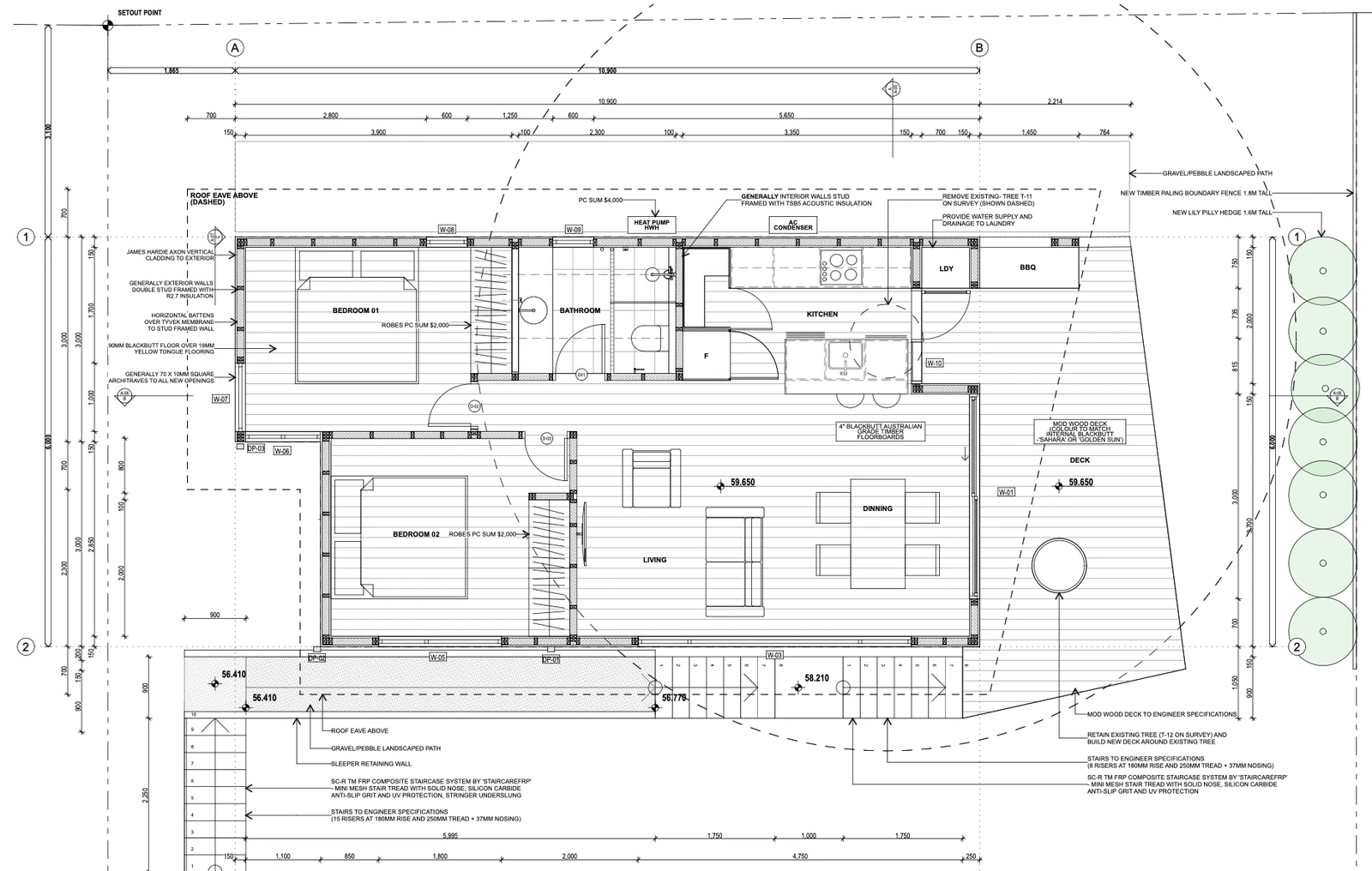
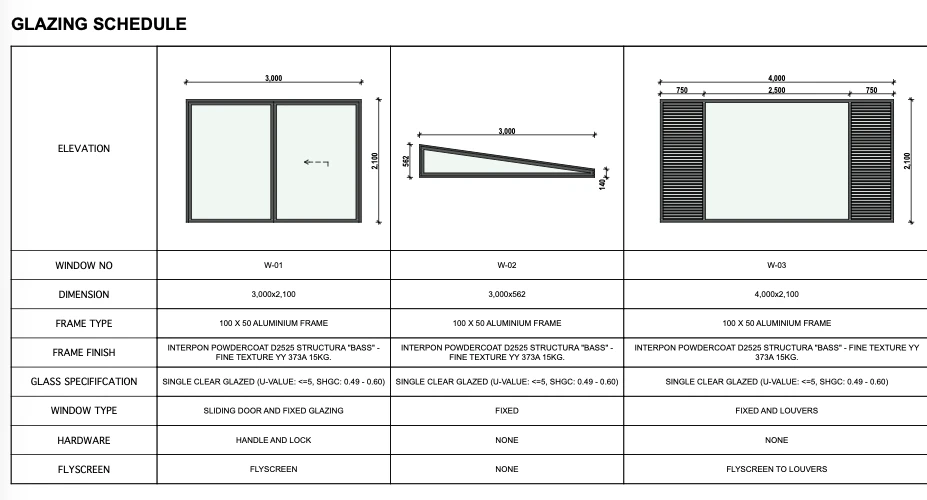
What every bill of quantities carries
You cannot hire a fifth of an estimator.
The work is lumpy. Three tenders close in a week, then nothing for a fortnight. A salary is not lumpy. So builders either carry an estimator through the quiet weeks, or they price tenders at midnight and hope the quantities hold.
Red Dot is the third option. Send a set when you have one. Pay for that set. Nothing sitting on the payroll in between.
Two documents. Two different jobs.
A Registered Quantity Surveyor's development cost report is built to satisfy a council, and it does that job well: elemental costs, a total, and a qualified professional's name against it. If that is what you need, that is what to get.
It answers one question — what will this cost, roughly, for planning purposes. It is not built to tell you how many cubic metres of concrete, how many square metres of roof, or which drawing a figure came from, so it is not a document you can price a subcontractor against.
You get every quantity, the drawing sheet each one was measured from, and a grade saying how well evidenced it is. Back in 72 hours.
Most builders price their own jobs. At night.
A tender won too cheap, or lost by a margin you could have closed, usually traces back to quantities eyeballed at the end of a long day. That is not about skill. It is about the hours available to do it properly.
What comes back is measured and priced — a bill of quantities with a rate against every line and a total at the bottom. You are not guessing at quantities, and you have a number the day it lands. Put your own rates over ours line by line whenever you want to.
Overflow, and a second set of eyes.
When three tenders close in the same week, your estimator becomes the bottleneck and something gets rushed. We take the take-off off the pile without you hiring anyone.
And on the jobs you cannot afford to get wrong, an independent second measurement is a cheap way to confirm your own numbers, or catch a problem while it is still on paper.
No licence to buy
Bluebeam Revu, the take-off standard the industry already works in. Our tools, our cost.
No salary to carry
Per job, per set. Take on a busy month and wind back again without hiring or letting anyone go.
We measure, we price, you confirm
Every line comes back with a rate against it, so you have a complete estimate the day it lands — not a list of quantities you still have to price. Change any rate you would price differently and every total moves with it.
Drawing set to priced BOQ in four steps.
No onboarding, no subscription, no minimum. Send a set and see what comes back.
See exactly what lands in your inboxSend the set
Architectural, structural, stormwater, BASIX, window schedules, fixtures and fittings selections — whatever you have. The more you send, the more accurate the estimate can be.
Calibrated take-off
Every sheet is proven to scale before a single quantity comes off it — against a registered survey or title where the set carries one, and against the sheet's own dimension chains where it does not.
Professional review
A degree-qualified estimator — B. Construction Management (Hons) — checks every line before it goes out. Software does the measuring; a person signs it off.
Your priced BOQ lands
Editable Excel with a Your Rate column, a summary report, and a quote sheet for every package trade.
What builders say.
We’re a medium-sized residential building company and have found Red Dot Estimating to be an excellent addition to our estimating process.
What has impressed us most is the level of detail it captures. It helps us pick up the finer details that can easily be missed during estimating, while also producing clear schedules, subcontractor quote requests and detailed tender information.
The biggest benefit for us has been the amount of time it saves. Red Dot has saved countless hours for our Project Manager on the estimating side of the business, freeing him up to spend more time managing projects, clients and our construction team.
Josh has also been extremely helpful throughout the entire process, working closely with us to tweak and tailor RDE to suit the way our business operates. That level of support has made a huge difference and has helped us get the most out of the system.
For a busy residential builder, having a more streamlined, detailed and efficient estimating process has been a massive advantage to our business.
We couldn’t recommend Josh and the Red Dot Estimating team highly enough. We’ll definitely be continuing to use Red Dot into the future.

“In my opinion connecting with Josh from Red Dot is the best tool we have acquired since nail guns arrived.”
We are an older style building company that has been operating for 40 years and have up until now done all our pricing by hand which is very time consuming and sometimes stressful.
Our recent project which is on the North Shore of Sydney we have engaged Josh from Red Dot Estimating and I have been blown away by his attention to detail and accuracy.
What I am most impressed by is the items he includes that are easily overlooked and also the questions he asks and issues he flags that need resolving before moving forward to finalise the quote.
In my opinion connecting with Josh from Red Dot is the best tool we have acquired since nail guns arrived.

Your first set is free. Judge us on it.
Mark our first set against a job you already know the numbers on. If the quantities do not stand up, you have paid nothing and you are no worse off.